Feb 9, 2026
Special Needs Trust Distributions: How to Pay for Things Without Jeopardizing Benefits
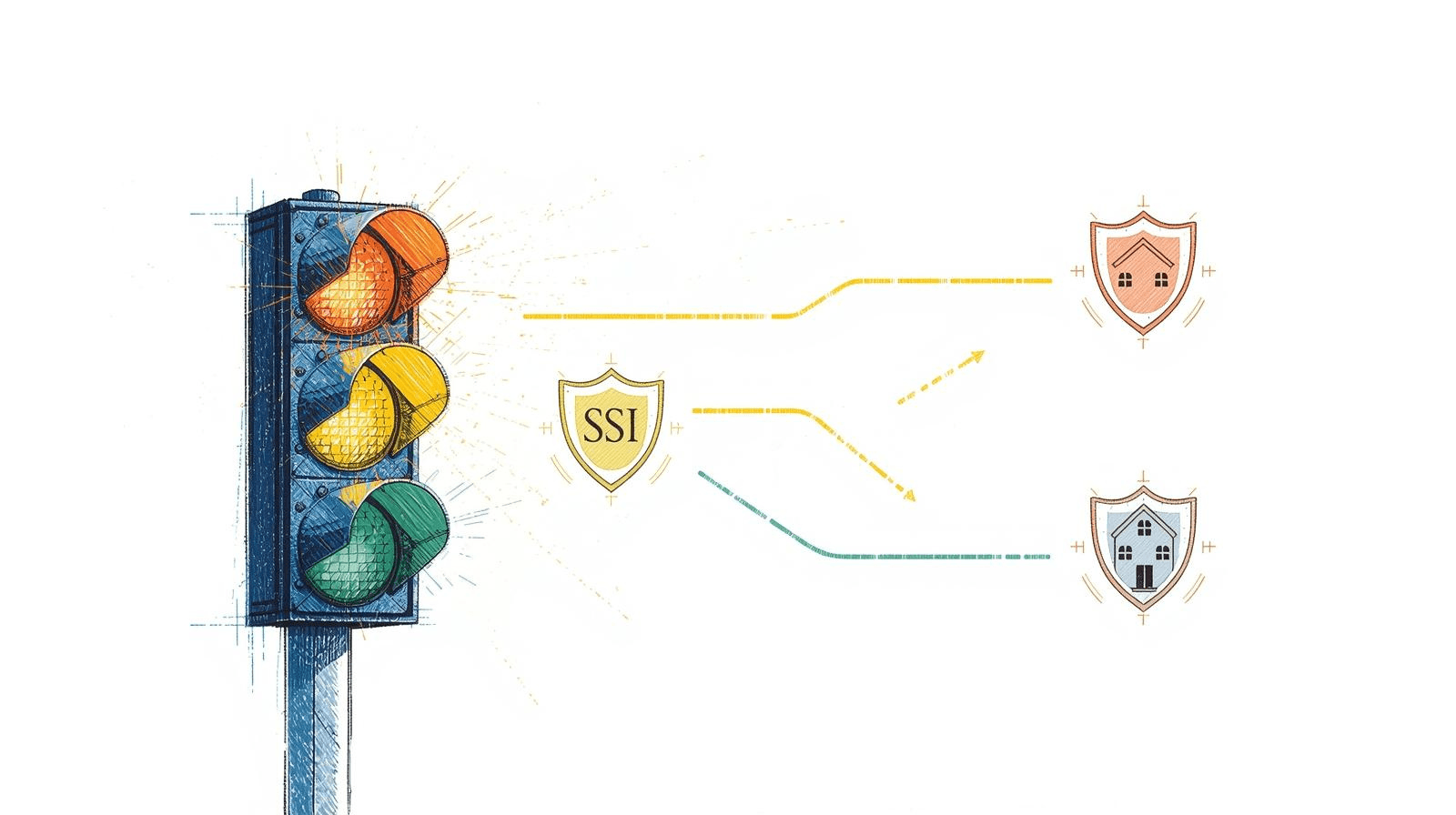
Managing a special needs trust requires more than good intentions. Every distribution you make as a trustee can affect eligibility for your beneficiary’s SSI benefits, Medicaid, and housing assistance. The difference between a well-structured payment and a problematic one often comes down to understanding the rules—and following them consistently.
This guide breaks down exactly what trustees can and cannot pay for, how different payment methods are treated, and the practical strategies that keep trust funds working for the beneficiary without triggering benefit reductions.
Quick answer: what a trustee can and cannot pay for
Trust distributions from a special needs trust must be structured to protect the beneficiary’s supplemental security income, Medicaid coverage, and any needs-based housing benefits. The key principle is that the trust should supplement—not replace—what government programs provide.
Green-light expenses (generally do NOT reduce SSI when paid directly to vendors):
Dental care and vision services not covered by Medicaid
Therapy and counseling services
Assistive technology and durable medical equipment
Education, tutoring, and vocational training
Transportation costs including bus passes, ride services, and vehicle purchase
Recreation, entertainment, and vacation expenses
Personal care attendants and support services
Internet and cell phone service
Clothing and personal hygiene products
Home modifications for accessibility
Yellow-light expenses (allowed but will reduce SSI by up to one third of the Federal Benefit Rate):
Rent and mortgage payments
Real property taxes
Utilities (gas, electric, water, heating fuel)
Food and grocery delivery
Homeowners’ or renter’s insurance required for occupancy
Red-light approaches (usually treated as income and can reduce or terminate benefits):
Cash paid directly to the beneficiary
Unrestricted debit cards the beneficiary can use freely
Transferable gift cards (Visa, Mastercard, or any card convertible to cash)
Funds deposited into the beneficiary’s personal bank account
Here’s a concrete example with real numbers: If the 2026 SSI Federal Benefit Rate is approximately $943 per month, a full month of food and shelter support from the trust can reduce the beneficiary’s SSI by up to $334 (one-third of the FBR plus $20). The beneficiary still receives the shelter benefit, but their monthly SSI check decreases accordingly.

Understanding special needs trusts and public benefits
A special needs trust—sometimes called a supplemental needs trust—is a legal vehicle designed to hold assets for a person with disabilities without those assets being counted toward benefit eligibility limits. Without this structure, even a modest inheritance or settlement could disqualify someone from the assistance they depend on.
The distinction between “resources” and “income” matters enormously under SSI rules:
Resources are what the beneficiary owns on the first day of each month. SSI generally limits countable resources to $2,000.
Income is what the beneficiary receives during the month. Most income reduces SSI dollar-for-dollar after a small exclusion.
Trust assets held in a properly drafted and administered SNT are not counted as the beneficiary’s resources. However, distributions from the trust can be treated as income in the month received—which is why how you pay matters as much as what you pay for.
Three key benefit programs are affected by distribution decisions:
Supplemental Security Income (SSI): A federal cash benefit for disabled individuals with limited income and resources. The 2026 monthly payment is projected around $943.
Medicaid: Health coverage tied to SSI in most states. Losing SSI often means losing Medicaid, which can cover therapies, medications, and services worth far more than the SSI payment itself.
Needs-based public housing: Section 8 and local housing authority programs that calculate rent based on the tenant’s income.
One important distinction: most first-party SNTs (funded with the beneficiary’s own money from a settlement, inheritance, or back-pay) must reimburse Medicaid at the beneficiary’s death for benefits received. Third-party SNTs (funded by a parent, grandparent, or other family member) typically do not owe this payback. But during the beneficiary’s life, the distribution rules work similarly for both.
Types of distributions and how SSI treats them
Social Security categorizes distributions into three buckets, and each affects benefits differently. Understanding these categories is the foundation of compliant trust administration.
Cash and cash-equivalent distributions
Cash paid directly to the beneficiary counts as unearned income under SSI rules. After the first $20 of unearned income in any month (the general income exclusion), SSI is reduced dollar for dollar.
Example: If a beneficiary receives $200 in cash from the trust in March 2026, their SSI for that month is reduced by $180. The person technically has more money that month, but the net gain is only $20.
This is why experienced trustees almost never hand cash to beneficiaries. The math simply doesn’t work in the beneficiary’s favor.
In-kind support and maintenance (ISM)
ISM refers to food or shelter provided to the beneficiary—either directly or by paying for it on their behalf. The specific items that count as shelter are:
Rent or mortgage payments
Real property taxes
Gas, electricity, and heating fuel
Water and sewage
Homeowners’ insurance (if required for occupancy)
Food purchased for the household
When the trust pays for food or shelter, SSI is reduced by the “presumed maximum value” (PMV). For 2026, this reduction is capped at approximately one-third of the Federal Benefit Rate plus $20—roughly $334 per month maximum.
The one third reduction applies regardless of whether the trust pays $400 or $4,000 for shelter that month. This cap makes ISM distributions more predictable than cash, but the reduction still matters for beneficiaries living on limited income.
Non-countable distributions
Payments that are neither cash to the beneficiary nor food/shelter generally do not reduce SSI when paid directly to vendors. These include:
Medical, dental care, and therapy services
Prescription and over-the-counter medications
Durable medical equipment and assistive technology
Internet service and cell phone plans
Education tuition and training programs
Transportation expenses (including vehicle purchase for beneficiary’s use)
Entertainment, streaming subscriptions, and vacation costs
Personal care attendants and support staff
Whether the SNT is first-party or third-party, SSI applies the same income rules to the beneficiary. The distinction between trust types matters for Medicaid payback and some administrative requirements, but the day-to-day distribution analysis is largely the same.
In-kind distributions, credit cards, gift cards, and debit cards
The payment mechanism you choose—not just what you buy—can determine whether a distribution counts as income. Trustees who understand these distinctions can serve beneficiaries more effectively while staying compliant.
In-kind distributions (paying vendors directly)
When the trustee pays a vendor directly for non-food, non-shelter items, SSI typically sees no countable income. The beneficiary never receives cash, and the expense doesn’t fall into the ISM category.
Paying a therapy provider’s invoice directly: no SSI reduction
Purchasing a laptop from a retailer for the beneficiary’s use: no SSI reduction
Sending payment to an adaptive equipment supplier: no SSI reduction
Credit card payments
When the beneficiary charges items to a credit card and the trust later pays the credit card company directly, SSI generally looks at what was purchased rather than the credit card payment itself.
If the beneficiary charged therapy sessions and clothing: likely no SSI reduction
If the beneficiary charged groceries and restaurant meals: those purchases are ISM and may reduce SSI in the month charged
Trustees should avoid using this method for food or shelter charges. The purchase date—not the trust payment date—determines when ISM is counted.
Gift cards
Gift cards fall into two categories with very different treatment:
Restricted store-specific cards (pharmacy cards limited to health items, clothing store cards): These may be acceptable when used solely for approved expenses, but require careful documentation of actual purchases.
Open-loop or transferable cards (Visa, Mastercard, or any card that can be sold or converted to cash): SSI generally treats these as income when received, just like cash.
A $100 Visa gift card handed to the beneficiary is effectively $100 in cash for benefits purposes. Even if the beneficiary only buys approved items, the card itself had cash value at the moment of transfer.
Debit cards
A debit card linked directly to the trust creates significant risk if the beneficiary can:
Withdraw cash from ATMs
Purchase food or pay for shelter freely
Use the card without trustee oversight
When the beneficiary has unrestricted access, SSA may count the accessible funds as income or even as an available resource.
Some trustees use specialized, restricted-use card platforms that limit what can be purchased. If you take this approach, you must:
Document the specific restrictions on cash access and food/shelter purchases
Keep receipt records for every transaction
Be prepared to demonstrate compliance during any SSA review

Permissible and problematic expenses: practical categories
Special needs trusts exist to enhance quality of life—providing things that government benefits don’t cover and that make the beneficiary’s life richer, safer, and more fulfilling. The trustee’s responsibility is to determine what distributions serve the beneficiary’s interest while maintaining eligibility.
Generally permissible distributions
These categories are typically safe for SSI and Medicaid when paid directly to the provider:
Medical and dental care not covered by insurance or Medicaid
Therapy, counseling, and rehabilitation services
Prescription medications and over-the-counter health products
Assistive technology, wheelchairs, and adaptive equipment
Home modifications (ramps, grab bars, widened doorways)
Perform home improvements for accessibility or safety
Internet service and cell phone plans
Transportation: bus passes, ride services, vehicle purchase and maintenance
Education, tutoring, and vocational training programs
Personal care services and support staff
Clothing and personal hygiene products
Entertainment: streaming subscriptions, concert tickets, sporting events
Vacations and travel with necessary support staff
Hobbies, recreational activities, and club memberships
Allowed but may reduce SSI (food and shelter)
These expenses can be paid from the trust but will trigger the ISM reduction:
Rent or mortgage payments on the beneficiary’s residence
Real property taxes
Homeowners’ or renter’s insurance required as a condition of occupancy
Utilities: gas, electric, water, sewage, heating fuel
Grocery purchases and meal delivery services
A trustee may consciously choose to pay for these when the benefit to the beneficiary outweighs the temporary SSI reduction. For example, covering rent for a preferred apartment might make sense even with the one third reduction, if the alternative is substandard housing.
Typically problematic or prohibited uses
These either violate trust law or almost always count as income:
Cash to the beneficiary or their spouse
Gifts to anyone other than the beneficiary
Unrestricted gift cards or debit cards
Payments for items the trustee personally benefits from (self-dealing)
Funds used to pay the trustee’s personal bills
Firearms, illegal substances, or gambling
Charitable contributions from trust funds (unless specifically authorized)
The trust document may impose additional restrictions. Trustees should review trust language carefully and consult an attorney if uncertain about whether a particular expense is permitted.
Self-settled vs. third-party SNT distributions
While SSI treats distributions similarly regardless of who funded the trust, the source of trust funds changes trustee priorities and the level of scrutiny distributions receive.
Self-settled (first-party) SNTs
These trusts hold the beneficiary’s own money—typically from:
Personal injury settlements
Back-paid SSI or SSDI benefits
Inheritances received directly by the beneficiary
Pre-disability savings or assets
Distributions from self-settled special needs trusts are subject to strict legal and regulatory requirements, including that they must be for the individual's sole benefit. The trust is unable to make payments that would discharge a legal obligation of support for a parent or pay for non-allowable expenses, as such distributions would violate public benefits rules. Distributions from a special needs trust must be for the sole benefit of the disabled individual and cannot discharge a legal obligation of support for a parent.
Federal law under 42 U.S.C. § 1396p(d)(4)(A) requires that:
The beneficiary must be under age 65 when the trust is established
Distributions must be for the sole benefit of the disabled beneficiary
The trust must include a Medicaid payback provision
State Medicaid agencies often review these trusts closely. Trustees should maintain meticulous records showing that every expense directly benefits the disabled person.
Third-party SNTs
These trusts are funded by someone other than the beneficiary—usually:
Parents or grandparents through estate plans
Family members through lifetime gifts
Inheritances left to the trust rather than directly to the beneficiary
Third-party SNTs do not require Medicaid payback in most states, meaning remaining assets can pass to other family members at the beneficiary’s death. During the beneficiary’s life, however, trustees should still follow SSI and Medicaid income rules to protect current benefits.
Contrasting examples
Consider a 2025 personal injury settlement placed in a first-party SNT. The trustee’s priority is ensuring every distribution is solely for the beneficiary’s benefit—documenting therapy costs, medical equipment, and transportation with detailed records. If family members want to join a vacation, the trustee must carefully allocate costs to show only the beneficiary’s portion was paid.
Now consider a 2030 testamentary third-party SNT where grandparents wanted to fund extensive travel and recreation. The trustee has more flexibility—the “sole benefit” standard doesn’t apply the same way—but must still structure payments to preserve SSI. Paying travel vendors directly, avoiding cash advances, and keeping the beneficiary’s month-to-month income stable protects both benefits and the family’s goals.
Medicaid and public housing implications of SNT distributions
In most states, Medicaid eligibility is directly tied to SSI. Losing SSI due to poorly structured distributions can cost the beneficiary Medicaid coverage worth far more than the SSI payment itself.
Medicaid implications
In states with “1634” agreements, Medicaid is automatic with SSI approval. Lose SSI, lose Medicaid.
Some states use separate income limits or “medically needy” spenddown rules, but cash distributions still count toward these thresholds.
Regular cash payments from the trust can push the beneficiary over state Medicaid limits, triggering spenddown requirements or coverage loss.
A beneficiary with a waiver program providing $3,000 per month in home health services has far more at stake than their $943 SSI payment. Trustees must weigh the cost of benefit loss against the value of any distribution.
Public housing implications
Income-based public housing programs—Section 8, local housing authorities—typically set rent at approximately 30% of the tenant’s adjusted income. Trust distributions counted as income can increase this calculation.
Key points for trustees:
One-time distributions are often treated differently than recurring monthly payments
Regular cash stipends may be counted as ongoing income at annual recertification
Housing authorities have discretion in how they count trust income—policies vary
Practical example
If a trust begins a $150 monthly cash stipend in July 2026, the housing authority may treat that as recurring income at the next annual recertification. A tenant whose rent was previously based solely on SSI now shows $150 additional monthly income—potentially increasing rent by $45 per month for the following year.
Before committing to recurring cash or ISM distributions, trustees should obtain current written policies from the specific Medicaid agency and housing authority involved. Rules change, and local practices often differ from federal guidelines.

Practical distribution strategies and record-keeping
Day-to-day administration—how the trustee approves requests, pays invoices, and tracks each receipt—often determines whether distributions hold up under review. Good systems prevent problems before they start.
Budgeting and planning
Create an annual or semi-annual budget for supplemental needs
Account for projected SSI amount, Medicaid coverage, and expected housing costs
Plan for big-ticket purchases: a wheelchair-accessible van in 2027, home modifications in 2028
Review the budget when circumstances change (new living situation, change in benefits, major health event)
Safe payment mechanics
Pay vendors directly whenever possible—landlords, therapy providers, schools, utility companies
Use a trustee-held credit card for purchases, with the trust paying the bill
Consider managed purchase cards with documented restrictions if the beneficiary needs some autonomy
Avoid giving the beneficiary cash, broad-use gift cards, or unrestricted account access
Receipts and documentation
Keep every invoice, receipt, and explanation of why each expense benefits the beneficiary solely
For larger purchases or travel that includes a family member, document how costs were allocated
Note the date, amount, vendor, and purpose of each distribution
Maintain records for at least seven years—SSA and Medicaid agencies can review past years
When SSA or a state Medicaid agency conducts a review or audit, clear records from 2024–2030 and beyond can prevent benefit suspensions, overpayment claims, or demands for trust documentation you no longer have.
Coordination with professionals
Schedule periodic reviews with a special needs planning attorney familiar with your state’s rules
Consult a public benefits specialist before making unusual distributions
Work with a CPA experienced in SNT tax treatment for annual filings
Visit with the beneficiary regularly to understand their actual needs and quality of life
The hope is that proactive planning prevents crises. Trustees who build good habits early rarely face benefit loss or court intervention later.

When to seek legal guidance about SNT distributions
Distribution rules change over time, vary by state, and involve judgment calls that trustees shouldn’t make alone. Before making unusual or large payments, seek qualified advice.
Scenarios requiring attorney consultation:
Before paying large housing-related costs: buying a condo for the beneficiary’s use in 2026, making major renovations to a family home, or considering a home purchase from trust assets
When considering regular monthly cash payments or a recurring allowance structure
When the beneficiary is moving to a new state with different Medicaid and housing rules
When the trustee wants to fund a business, self-employment venture, or ABLE account from the SNT
When receiving a notice from SSA, Medicaid, or a housing authority questioning distributions
When the beneficiary’s circumstances change significantly (marriage, institutionalization, change in disability status)
Important notes about this article:
This guide provides general educational information based on federal SSI and Medicaid frameworks
Rules may have been updated after 2024—confirm current law before acting
State laws vary significantly, particularly for Medicaid and housing programs
Nothing here constitutes individualized legal advice for your specific situation
Developing a distribution policy
Trustees and families should work with an attorney to create a written distribution policy tailored to:
The specific trust language and any restrictions it contains
The beneficiary’s diagnosis, care needs, and life expectancy
State-specific Medicaid rules and housing authority practices
Family goals for supplemental support and quality of life
Revisit this policy every few years—2025, 2028, 2031—to account for changes in law, benefits, and the beneficiary’s circumstances.
Administering a special needs trust is a serious responsibility, but it’s also an opportunity to genuinely improve someone’s life. With the right guidance, careful planning, and consistent record-keeping, trustees can provide meaningful support while protecting the benefits that make daily life possible.