Sep 1, 2026
Planning for Pets: Including Animals in Your Will or Trust

Under U.S. law, pets are classified as tangible personal property, placing them in the same legal category as furniture or vehicles. Yet nearly 80% of pet owners consider their companion animals to be cherished family members. That gap between how the law sees your pet and how you see your pet is where planning for pets including animals in your will or trust becomes essential.
The risks of doing nothing are real. When a pet owner dies or becomes incapacitated without a written plan, the animal may land in a shelter, get passed to a reluctant relative, or face euthanasia if no one steps forward. Family members may argue over who takes the dog, or worse, no one may want the responsibility at all. These outcomes are preventable.
A coordinated approach using wills, a pet trust, and powers of attorney can provide lifelong care for your animals during both incapacity and after death. At Third Act Retirement Planning, we see pet planning as one piece of a Christ-centered, whole-family estate plan, not an afterthought.
This article is a practical pet trust primer, not legal advice. We encourage you to work with both an estate attorney and a financial planner to build a plan that fits your circumstances, your state's law, and your values.

Start Here: Who Gets Your Pet If You Die or Become Incapacitated?
Imagine an Atlanta dog owner is hospitalized after a sudden stroke in March 2026. No will, no trust, no written instructions. Her two-year-old cat and six-year-old Labrador are at home alone. A neighbor eventually calls animal control. The pets end up in a shelter while family sorts out what happened.
This scenario plays out more often than people realize. In most states, pets are tangible personal property. Pets are considered tangible personal property in Montana, for example, and similar classifications exist across the country. When no will exists, default inheritance rules apply, and the animal passes to heirs just like a piece of furniture would. If multiple heirs want the same animal, or none of them do, a court may have to decide.
Without clear instructions, pets may end up with reluctant relatives, in a shelter, or euthanized when no one can cover the cost of care. A will may delay pet care until probate is complete, leaving animals in limbo for weeks or months.
Emergency provisions should account for incapacity as well as death. A stroke, dementia diagnosis, or long hospitalization can leave your pets without care just as suddenly as death can, and incapacity often lasts far longer.
Choosing Short-Term and Long-Term Caregivers
Selecting a primary caregiver and backups is crucial for pet care planning. Without this step, everything else in your estate plan is incomplete.
Think of caregivers in two tiers:
An emergency or short-term caregiver who can act within the first 24 to 72 hours, picking up your animal from your house and providing immediate shelter
A permanent or designated caregiver who will give the animal a long-term new home
When evaluating potential caregivers, look for:
Willingness and genuine affection for your specific pet
Stable housing that permits animals
No serious allergies
Compatible living situation (existing pets, children, lifestyle)
Ability to cover veterinary care and daily expenses if trust funds are delayed
Select caregivers who can provide stable homes and veterinary care for the duration of your pet's life. Include alternate caregivers in your will for flexibility, because circumstances change. Document caregiver names in writing for easy access during emergencies, including full legal names, phone numbers, and addresses in your estate documents.
Most importantly, have real conversations in advance. No person should learn they are responsible for your animal at 2 a.m. when a hospital calls. Talk to your friends, your family, and anyone you are considering, and confirm their willingness before putting their name on paper.
Documenting Day-to-Day Pet Care Instructions
Legal documents are too high level to tell a caregiver what brand of food your cat eats or that your dog panics during thunderstorms. That is why every pet owner should create a simple written or digital care letter, sometimes called a memorandum of intent.
A memorandum of intent can provide instructions for a pet's daily care and preferences. Detailed care instructions should cover diet, routines, and veterinary information. Your letter should include:
Food brand, quantity, and feeding schedule
Daily exercise and sleep routines
Current medications, dosage, and administration method
Favorite toys, comfort items, and behavioral quirks
Known fears (fireworks, car rides, strangers)
Veterinarian name, clinic address, and phone number
Microchip number and registration details
Ask your veterinarian to provide diagnosis summaries and ongoing care notes for any serious conditions. Store copies of the letter in a binder at home, in a shared cloud folder, and with both your executor and your caregiver. Review it at least once per calendar year and update it after any change in your pet's health or routine.
This letter supports but does not replace a formal pet trust or will provision. Think of it as the operating manual that brings your legal documents to life.
Using Your Will to Plan for Pet Care
A will can include provisions for pet care after death. It allows you to name who receives your animal and leave funds to support the person taking on that responsibility. However, a will only takes effect at death, and only after probate starts.
Here is what a will can do for your pets:
Name a primary and alternate pet caregiver
Authorize your executor to use estate funds for the pet's care during probate
Make a specific bequest (for example, $15,000) to the person who takes your animal
One critical limitation: you cannot leave money or property directly to a pet in a will. The law does not recognize animals as legal beneficiaries. You can only leave assets to a person or a trust for the animal's benefit.
Other limitations are significant. Probate can take months, leaving a gap in care. There is no strong legal obligation on the caregiver to actually spend the money on the animal. Some states permit conditional bequests tying money to care obligations, but such provisions can be complex to monitor and enforce. Pet owners should designate caregivers in their wills, but advanced estate planning strategies often go further.
Coordinate your will language with your attorney and with any existing pet trust so instructions do not contradict each other.
Pet Trust Primer: What a Pet Trust Is and How It Works
A pet trust is a legally binding arrangement that provides funds and instructions for pet care. Unlike a simple bequest in a will, a pet trust creates an enforceable structure where a trustee holds and manages trust property to pay for a named animal's proper care.
Pet trusts can be created during the owner's lifetime or at death:
An inter vivos (living) trust takes effect during the owner's lifetime, which is especially valuable during incapacity
A testamentary trust is created under a will and funded at the owner's death
The key roles in any trust instrument include:
The grantor (you), who creates the trust and funds it
The trustee, who manages funds specifically for the pet's care
The caregiver, who provides day-to-day care
The remainder beneficiary, who receives leftover funds after the pet dies
An optional enforcer or trust protector, who monitors compliance
A pet trust ensures care during owner's incapacity or death. New York's pet trust statute was enacted in 1996, making it one of the earliest. New York allows pet trusts to be enforced in court, and a pet trust can be enforced in court for pet care in most jurisdictions today. All fifty states and DC now recognize some form of pet trust, though details vary. Some states limit duration to 21 years, while a pet trust can last for the life of the animal in most states.
A pet trust provides care for pets after the owner's death with far more precision and accountability than a will alone. For a broader look at how trusts work, see our guide on trusts and asset protection for your estate.

Pet Trust vs. Will: Which Is Better for Your Situation?
Both tools have a place in planning for pets including animals in your will or trust. The right choice depends on your circumstances, the complexity of your estate, and the animals involved.
A pet trust offers several advantages over a will:
Funds become available immediately at death or incapacity, with no probate delay
The trustee has an ongoing legal obligation to use money as directed
An enforcer can take the matter to court if the caregiver neglects the animal
The arrangement works well for long lived animals like parrots, horses, or tortoises
You can name a successor trustee and alternate trustees if the original cannot serve
A will may be adequate when:
You have a small estate with one healthy, young pet
You have a very trusted caregiver who needs minimal oversight
Costs are modest and the person already has resources to absorb them
The most common hybrid approach combines a will with a modest pet trust. The will handles immediate distribution and names caregivers. The trust handles ongoing funding, oversight, and incapacity coverage. Such a provision gives you the simplicity of a will and the enforceability of a trust working together.
A pet trust is strongly recommended when you have multiple pets, high veterinary care costs, a special-needs animal, out-of-state heirs, or significant assets that could invite a court challenge from family members.
Funding a Pet Trust: How Much and From Where?
Underfunding leaves caregivers strained and pets at risk. Overfunding a pet trust may lead courts to challenge allocations, as the Leona Helmsley case famously demonstrated. Helmsley left $12 million to her Maltese, Trouble. A court reduced it to $2 million, finding the original amount substantially exceeded what was reasonably necessary. In contrast, a New York court upheld a $4.7 million pet trust in the Copland case because the settlor had documented every expense in detail.
Establishing financial funding for pets should be based on life expectancy and expected costs. Here is a practical framework:
Estimate remaining lifespan (for example, 10 years for a 6-year-old Labrador)
Calculate annual expenses: food, grooming, boarding, routine veterinary care, and emergency care
Add a contingency cushion of 10 to 20 percent for inflation and unexpected medical events
Include end-of-life care costs such as hospice, surgery, or euthanasia
For a mid-sized dog, annual costs typically run around $2,500, covering food, vet visits, grooming, and boarding. Over 10 years with a contingency buffer, a reasonable trust might hold $30,000 to $50,000. Cats cost somewhat less per year but may live longer.
Common funding sources include taxable investment accounts, a designated share of an IRA, life insurance proceeds, or the sale of specific property. A fiduciary advisor like Third Act Retirement Planning can model different funding levels without jeopardizing your own retirement income.
A clear plan should specify what happens to remaining funds after a pet's death. Suggest naming a remainder beneficiary, whether that is children, grandchildren, or a humane society, so leftover money does not revert to your estate in unintended ways.
Legal Tools for Incapacity: Powers of Attorney and Health Crises
Incapacity planning is often more urgent than death planning because it is less predictable and can last for years. A pet trust ensures care during owner's disability or death, but a durable financial power of attorney fills the gap between the moment you are incapacitated and whenever a trust or will takes effect.
A properly drafted power of attorney can authorize your chosen agent to:
Pay caregivers, boarding facilities, and pet sitters
Cover vet bills, medications, food, and grooming
Move pets if you must relocate to assisted living or long term care
This authority ends at death, so it should dovetail with a pet trust or will that takes over afterward. When drafting powers of attorney with your attorney, include explicit pet care language so your agent is clearly empowered to act on behalf of your animals. For more on this topic, read our overview of essential power of attorney requirements.
Emergency cards should detail whom to contact if an emergency happens to you. Carry a simple card in your wallet stating who to call for your pets if you are taken to a hospital. Include the caregiver's name, phone number, and the location of your animals.
Proving and Identifying Your Companion Animals in Legal Documents
Pet plans should include identification information to prevent confusion or fraud. Without precise identification, someone could claim trust funds for a different animal, or a court could struggle to confirm which pet is covered.
Include these details in your trust instrument, will, and care letter:
Species, breed, and sex
Color and distinctive markings
Microchip number and registration
Date of birth or approximate age
Recent photographs (updated every year or two)
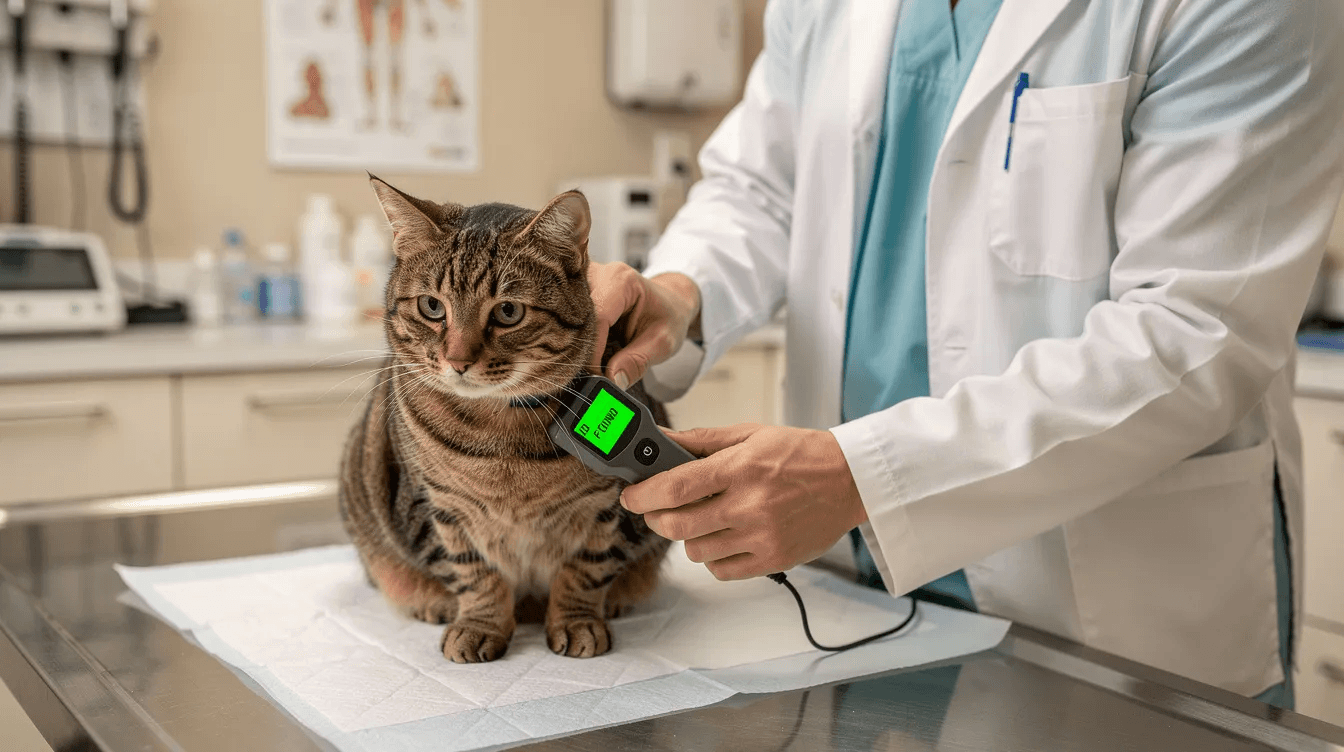
For valuable or rare animals, microchips provide reliable confirmation. In rare circumstances, DNA samples can offer additional proof. Attach current vet records and store everything with your estate documents.
Clarity here helps courts, trustees, and caregivers avoid confusion, especially when an owner has multiple dogs or cats with similar appearances or names.
Working with Shelters, Sanctuaries, and the Humane Society
Not every pet owner has a trusted individual who can serve as a permanent caregiver. In those circumstances, organizations like a humane society, rescue group, or sanctuary may be the best option.
Before naming an organization in your plan, evaluate it carefully:
What is its adoption or rehoming policy?
Does it have a no-kill commitment, or under what circumstances might euthanasia occur?
What are its medical research and product testing policies? (Most reputable shelters do not engage in either.)
Can it commit to long-term care for your specific animal?
Enter into a written pre-arrangement with the organization, confirming they will accept your pet and under what conditions. Such provisions create accountability and reduce the risk that your animal falls through the cracks.
You can leave a direct bequest to the organization or name it as a remainder beneficiary of a pet trust. Aligning this charitable component with broader giving goals can serve both your pet and your legacy. For tax-efficient charitable giving options, coordinate these gifts with your financial planner.
Integrating Pet Care with Your Broader Legacy and Faith Values
Planning for pets fits alongside planning for children, grandchildren, churches, and charities in one integrated estate plan. Your companion animals are part of your household, and providing for them after you are gone reflects the same values that drive the rest of your legacy.
From Third Act Retirement Planning's perspective, caring for God's creatures can be one facet of faithful stewardship. The responsibility you feel for your pet today does not disappear when you can no longer fulfill it yourself. Planning in advance to manage that responsibility honors both the animal and your wishes.
When sudden wealth enters the picture through an inheritance, business sale, or NIL income, what is "reasonable" to set aside for pet care may shift. A person who just received a $2 million inheritance has different options than someone living on a fixed income. The event of sudden wealth should trigger a review of all estate provisions, including pet planning. For practical guidance on managing a windfall, see our article on building a lasting family legacy.
Consider periodic family meetings to discuss how much to allocate to animals versus human heirs and ministries. Open conversations reduce surprises and help everyone understand your values.
Common Mistakes in Pet Estate Planning (and How to Avoid Them)
Even well-intentioned owners make errors that can undermine their plan. Here are the most frequent pitfalls:
Naming no backup caregiver, leaving the plan broken if the primary person cannot act
Failing to fund the trust, creating a legal shell with no money behind it
Contradicting care instructions across documents (the will says one thing, the trust says another)
Assuming a child or friend "will just take the dog" without ever having the conversation
Relying on informal arrangements like verbal promises or sticky notes that a court will ignore
Leaving an unreasonably large amount to a pet trust without documenting your reasoning, which can invite a court challenge from family members who feel shortchanged
Forgetting to plan for the event that your pet dies before you do
You should regularly review your estate plan, especially after changes in circumstances. Marriage, divorce, a move to a different state, acquiring a new pet, a change in health, or receiving sudden wealth should all trigger a review. For new millionaires navigating these decisions, our guide on estate planning for new millionaires covers the broader picture.
Working with Third Act Retirement Planning and Your Attorney
Third Act Retirement Planning does not draft legal documents. Instead, we coordinate your financial and legacy goals with your estate attorney so every piece of the plan works together.
Our collaborative process looks like this:
Discovery call to understand your life, your family, your pets, and your values
Inventory of animals, estimated care costs, and current estate documents
Cash-flow and tax analysis to determine how much you can set aside without jeopardizing retirement income
Referral to or coordination with an estate attorney who can draft or update your will, pet trust, and power of attorney
Concrete examples of how we help: projecting long term care costs for a 15-year-old horse into a retirement plan, deciding whether to fund a pet trust from a taxable account or life insurance proceeds, and aligning a charitable gift to a humane society with your tax strategy.
We serve clients in Georgia and beyond who have experienced sudden wealth and want comprehensive, biblically informed planning. If you have been putting off this request, now is the time to act. Schedule a discovery call to review both your human and pet legacy planning before the end of 2026.

Disclaimer and Related Links
This article provides general education on wills, powers of attorney, and pet trust concepts. It is not legal or tax advice. Consult a qualified estate planning attorney licensed in your state for personalized legal documents. Financial projections and funding strategies should be reviewed with a fiduciary advisor who understands estate and retirement planning.
Related links from our site for further reading:
The Ultimate Guide to Trusts and Asset Protection for Your Estate
Building a Lasting Family Legacy: Practical Tips for Future Generations
Essential Power of Attorney Requirements: What You Need to Know
Laws, costs, and tax rules may change after 2026. Verify that all information is current at the date you take action.