Dec 12, 2025
Investment Criteria for Private Equity

Introduction to Private Equity
Private equity investment dominates the global financial landscape—and as someone who thrives on turning complexity into opportunity, I recognize its pivotal role in delivering substantial returns through decisive ownership and strategic value creation. Private equity firms excel at what matters most: acquiring and managing portfolio companies with one clear objective—enhancing financial performance and realizing significant profit upon exit. The investment process is rigorous because inefficiencies bother me profoundly, involving systematic assessment of each company's financial health, market position, and growth potential. By leveraging extensive resources, industry expertise, and professional networks—because effective execution is non-negotiable—private equity firms drive operational improvements, boost cash flow, and strengthen competitive advantage across their portfolio companies. Understanding private equity investment criteria becomes essential for companies seeking to attract investment and for investors determined to maximize returns. These criteria guide the evaluation of potential investments with laser focus, ensuring that only businesses with strong value creation prospects and sustainable growth earn partnership consideration—strategic foresight that eliminates underperforming opportunities and delivers optimized financial outcomes.
Overview: What Private Equity Investors Look For
Private equity firms systematically screen potential investments using a comprehensive set of financial, strategic, and operational criteria before deploying capital into target companies. These investment criteria for private equity serve as filters to identify businesses capable of generating superior returns while managing downside risk through disciplined underwriting processes. The screening process ensures that only companies meeting specific thresholds advance to detailed due diligence and potential acquisition.
Private equity firms seek to align their investment objectives with the traits and growth strategies of target companies, ensuring that both parties are positioned for successful value creation and eventual exit.
This article focuses on buyout-oriented private equity, including leveraged buyouts (LBOs), in developed markets such as the United States and Western Europe between 2010 and 2025. During this period, private equity investment criteria have evolved to address changing market conditions while maintaining core principles around business quality assessment.
Investment criteria typically encompass business quality metrics, cash flow profile analysis, leverage capacity evaluation, management team strength, sector dynamics assessment, and exit route clarity. These factors work together to create a comprehensive framework for investment decision-making that guides private equity firms throughout their investment process.
PE firms generally target gross IRRs in the mid-teens to 20%+ range with cash-on-cash multiples of 2.0-3.0x within 3-7 year holding periods. These return expectations drive the specific criteria applied to evaluate potential portfolio companies and structure investment terms accordingly. Private companies represent a significant focus for private equity investment due to their important role in the global economy and their potential for value creation compared to public markets.

The remainder of this analysis breaks down investment criteria into several key areas: deal type and LBO suitability factors, due diligence assessment areas, capital structure considerations, and strategic value-creation paired with exit planning factors.
Core Characteristics of Strong LBO Candidates
A leveraged buyout involves acquiring a company using a combination of equity and debt financing, where the debt is typically secured by the target company’s assets and cash flows. Not all companies are suitable candidates for high leverage structures, as the debt service requirements demand predictable cash generation and financial stability throughout various market conditions.
Private equity firms seek targets with the following characteristics that support successful LBO structures while creating multiple pathways for value creation during the ownership period.
Stable, predictable cash flows form the foundation of attractive LBO candidates. PE firms prioritize businesses with recurring revenue streams, demonstrated resilience during economic downturns (such as performance through the 2008-2009 financial crisis and 2020 pandemic), and low volatility in EBITDA generation. Companies with subscription models, maintenance contracts, or essential services typically exhibit these favorable cash flow characteristics.
Robust, defensible margins indicate pricing power and operational efficiency within target companies. Strong LBO candidates often maintain EBITDA margins of at least 10-15% in mature industries such as industrial services, B2B software maintenance, or healthcare services. These margins provide cushion for debt service while supporting operational improvement initiatives.
Moderate capital expenditure needs maximize free cash flow available for debt payments and growth investments. PE firms prefer businesses whose maintenance capex represents materially less than depreciation (typically 2-4% of sales), allowing more EBITDA conversion to distributable cash flow. Asset-light service businesses often meet these criteria better than capital-intensive manufacturing operations.
Limited cyclicality reduces the risk of cash flow interruption during economic downturns. Examples of favorable sectors include grocery distribution, basic consumer staples, and mission-critical B2B services, which contrast sharply with highly cyclical industries like construction equipment manufacturing or luxury retail that experience significant demand volatility.
Low working capital drag supports strong cash conversion from EBITDA to operating cash flow. Companies with favorable payment terms (customers paying within 45 days while suppliers receive payment in 60+ days) create natural cash generation advantages that support both debt service and growth funding requirements.
Tangible levers for operational improvement provide clear pathways for PE firms to enhance business performance beyond financial engineering. Cost rationalization through procurement optimization, pricing analytics implementation, and strategic tuck-in acquisitions represent concrete value creation opportunities that experienced operators can execute systematically.
Clear exit routes with a clear path to exit or growth milestones are essential to reassure private equity investors of the company's future value and profitability. Strong candidates can attract strategic buyers seeking market expansion, larger PE platforms requiring bolt-on acquisitions, or public market investors via IPO processes. Recent successful exits between 2015-2024 demonstrate the importance of building businesses that appeal to multiple buyer categories.
Market, Industry, and Competitive Position
Even companies with strong standalone financial performance may prove unsuitable for private equity investment if underlying industry trends create headwinds for future growth or profitability. Market dynamics and competitive positioning significantly influence both entry valuations and exit prospects over typical PE holding periods. As part of commercial due diligence, it is essential to understand a company's value proposition, market position, and prevailing industry trends to assess its unique value offering, competitive standing, and ability to achieve forecasts within the industry environment.
Industry growth and structure analysis focuses on markets expanding at least in line with GDP growth (2-4% annually in developed markets over the past decade) while offering fragmentation that enables consolidation strategies. Industries with numerous smaller players provide opportunities for PE-backed platforms to execute roll-up strategies and achieve scale advantages.
Durable competitive advantages create sustainable value that justifies premium valuations and supports pricing power over time. These moats include high customer switching costs, specialized regulatory licenses, long-term contracts spanning 3-5+ years, proprietary technology platforms, or deep specialized expertise that competitors cannot easily replicate.
Market share and positioning evaluation targets companies ranking #1-#3 within their specific niches or serving as clear regional champions with expansion opportunities. Market leaders typically command better margins, attract higher-quality management teams, and maintain stronger customer relationships that translate into more predictable revenue streams.
Customer concentration risk analysis examines situations where individual customers represent more than 20-30% of total revenue, as these relationships create significant cash flow vulnerability. PE investors may accept higher concentration levels if contracts include long-term commitments, but typically require diversification strategies or valuation discounts to compensate for this risk.
Supplier and input risk assessment covers dependency on limited supplier bases, exposure to commodity price fluctuations, and availability of hedging strategies to manage cost volatility. Long-term supplier contracts, diversified sourcing options, and pass-through pricing mechanisms help mitigate these operational risks.

Regulatory and technological change considerations have become increasingly important since 2010, as developments in data privacy regulation, energy transition requirements, and digital transformation create both opportunities and threats across industries. PE firms must evaluate whether regulatory changes will require significant compliance investments or create competitive advantages for well-positioned companies.
Market Trends and Opportunities
The private equity landscape represents exactly the kind of dynamic environment where I thrive—vast opportunities hidden within the majority of companies that remain privately held, far from the inefficiencies of public market constraints. As someone who instinctively identifies untapped potential, I've learned to capitalize on this fundamental market structure where most businesses operate outside public scrutiny. Market disruptions, particularly events like the global financial crisis, create precisely the conditions that excite me most—they open decisive windows for value-driven investing that allow me to acquire exceptional companies at compelling valuations and drive the meaningful improvements that lesser investors simply cannot execute. In today's rapidly evolving environment, I've made it my business to anticipate industry trends and shifting conditions before they become obvious to the competition, because reactive investing is fundamentally inefficient and goes against everything I stand for professionally. My approach centers on firms that demonstrate the foresight to respond to these emerging patterns through operational excellence, strategic management enhancement, and bold repositioning moves—capabilities that separate true value creators from mediocre players. By maintaining laser focus on companies with demonstrated financial strength, sustainable competitive moats, and genuinely scalable business architectures, I consistently position myself to capture the most significant growth opportunities while delivering the superior returns that my investors expect and deserve.
Financial Profile and Quality of Earnings
Private equity firms focus intensively on “quality of earnings” analysis rather than simply reviewing reported profit figures for individual reporting periods. This comprehensive financial assessment examines sustainability, predictability, and cash generation characteristics that determine leverage capacity and return potential.
Historical performance review typically covers 3-5 years of financial history (such as 2019-2023 periods that include COVID-19 impacts), emphasizing consistency in revenue growth, EBITDA progression, and margin stability through various market conditions. Analyzing revenues is a key financial metric for investment decisions and company valuation, as it highlights the scale and suitability of a business for private equity investment. PE investors particularly value companies that maintained performance during stress periods while demonstrating recovery capabilities.
EBITDA as the core valuation metric drives enterprise value calculations, with most transactions priced as multiples of normalized or pro forma EBITDA figures. These adjustments remove one-time expenses, normalize for ownership changes, and incorporate run-rate improvements from recent initiatives. The purchase price is ultimately determined based on enterprise value, EBITDA multiples, and adjustments identified during due diligence to reflect the true financial position of the company. Understanding EBITDA quality becomes crucial for accurate valuation and debt sizing decisions.
Cash conversion analysis examines how effectively net income translates to free cash flow after accounting for working capital changes and capital expenditure requirements. Strong candidates typically convert 70-80% or more of EBITDA into free cash flow, providing ample liquidity for debt service, growth investments, and potential distributions to equity holders.
Leverage capacity assessment determines sustainable debt levels based on cash flow stability and industry characteristics. Healthy LBO candidates can typically support total debt ranging from 3.0x to 6.0x EBITDA, depending on sector risk profiles and prevailing interest rate environments. The 2022-2024 period of rising rates has generally reduced leverage multiples compared to the ultra-low rate environment of 2010-2021.
Downside protection evaluation involves stress-testing financial projections under adverse scenarios including revenue declines, margin compression, and multiple contraction at exit. PE firms require adequate covenant headroom and minimum fixed-charge coverage ratios to ensure portfolio companies can service debt obligations throughout various economic cycles.
Key financial ratios monitoring includes net leverage calculations, interest coverage assessments, and debt service coverage ratios (DSCR) that lenders use to underwrite transactions. These metrics must remain within acceptable ranges throughout typical 5-7 year holding periods while providing flexibility for operational initiatives and strategic acquisitions.
Operational Strength and Management Team
Private equity investors treat management quality and operational capabilities as primary value creation levers rather than relying solely on financial engineering to generate returns. Strong operational foundations enable PE firms to execute growth strategies, efficiency improvements, and strategic initiatives that drive portfolio company performance.
Management track record evaluation seeks leadership teams that have navigated at least one significant downturn (such as the 2020 pandemic disruption) while delivering measurable performance improvements like margin expansion, successful product launches, or market share gains. Proven ability to execute under pressure demonstrates the resilience required for PE partnership success.
Alignment of incentives through equity rollovers, stock option grants, and management incentive plans ensures that leadership teams participate meaningfully in investment returns. Typical structures allocate 5-15% of fully diluted equity to management groups, creating direct alignment between operational performance and personal wealth creation.
Depth of organizational bench strength extends beyond charismatic CEOs or founders to include capable second-tier leaders across finance, operations, sales, and technology functions. As part of HR due diligence during private equity investment analysis, it is important to evaluate employees at all levels, including management, compensation structures, retention strategies, and benefit plans, to ensure organizational stability and support for growth initiatives. PE firms require management depth to execute complex growth strategies, integration activities, and operational improvements without over-relying on individual key persons.
Systems and reporting infrastructure capabilities include standardized ERP and CRM platforms, timely monthly financial closes (typically within 10 business days), and robust key performance indicator tracking that enables data-driven decision making. These operational systems become critical for scaling businesses and supporting add-on acquisition integration.

Execution capacity for acquisitive growth becomes essential when PE strategies depend on bolt-on acquisitions and market consolidation. Management teams must demonstrate experience integrating multiple transactions annually while maintaining operational performance and achieving projected synergies across combined organizations.
Potential for leadership enhancement represents an opportunity area where some PE firms excel at identifying and addressing management gaps through executive recruitment, board composition changes, or operational consulting support. Experienced sponsors maintain networks of industry executives who can strengthen portfolio company leadership when needed.
Due Diligence Areas and Investment Process
Due diligence represents the structured evaluation process that confirms whether potential investments meet established investment criteria, typically conducted within 6-12 week timeframes before transaction closing. This comprehensive assessment covers multiple workstreams that validate assumptions and identify potential risks or value creation opportunities.
Commercial due diligence encompasses market size validation, growth forecast verification through at least 2028, detailed customer interview programs, churn rate analysis, and competitive benchmarking studies. A key component is the assessment of the company's business model to understand its sustainability, market positioning, and long-term growth potential. Third-party consulting firms often support these efforts by providing independent market research and customer feedback that validates management projections and strategic assumptions.
Financial due diligence involves independent quality of earnings analysis, normalized EBITDA verification, working capital seasonality assessment, tax exposure review, and historical auditor findings evaluation. Accounting firms conduct detailed financial reviews that adjust reported earnings for one-time items and validate the sustainability of financial performance trends.
Legal and regulatory due diligence covers corporate structure analysis, shareholder agreement review, material contract evaluation, employment law compliance, intellectual property assessment, litigation history examination, environmental liability investigation, and industry-specific licensing verification. These reviews identify potential deal-breaking issues or required structural modifications.
Operational and IT due diligence includes facility site visits, manufacturing process mapping, supply chain resilience testing, cybersecurity vulnerability assessment, and technology infrastructure scalability evaluation. These operational reviews become particularly important for businesses requiring significant capital investment or technology upgrades to support growth plans.
ESG considerations have gained prominence since approximately 2018, as many PE firms now incorporate environmental, social, and governance screening into standard due diligence processes. These assessments cover carbon intensity measurement, labor practice evaluation, and governance control implementation that can affect both risk management and value creation opportunities.
Investment committee approval culminates the due diligence process through comprehensive investment memoranda that summarize findings across all workstreams and present recommendations to firm investment committees. These documents must demonstrate that targets meet established investment criteria while outlining specific value creation strategies and risk mitigation plans.
Capital Structure and Debt Financing Considerations
The capital structure design—combining equity contributions with various debt financing layers—directly impacts both risk profiles and potential returns in private equity transactions. Optimal structures balance leverage benefits with financial flexibility requirements for value creation execution.
Leverage levels in typical mid-market transactions include senior debt ranging from 3.0x to 5.0x EBITDA, potentially supplemented by mezzanine financing that brings total leverage to 6.0x EBITDA in favorable credit environments. However, the 2015-2024 period has shown significant variation based on interest rate cycles and lender risk appetite fluctuations.
Cost of capital considerations encompass interest rate margins, base rate selections (historically LIBOR, now transitioning to SOFR), and covenant package negotiations that influence ongoing cash flow requirements and operational flexibility. Rising base rates during 2022-2024 have increased focus on interest coverage ratios and refinancing risk management.
Covenant structures and operational flexibility distinguish between maintenance covenants (tested quarterly) and incurrence covenants (tested only when taking specific actions), with negotiated baskets for capital expenditures, acquisitions, and other strategic initiatives. Adequate flexibility enables portfolio companies to pursue growth opportunities without frequent lender approvals.
Equity contribution sizing has generally ranged from 30-60% of transaction value in post-global financial crisis vintages, with higher equity percentages during tighter credit cycles (such as 2022-2023) to manage downside risk and ensure adequate debt service coverage throughout various market conditions.
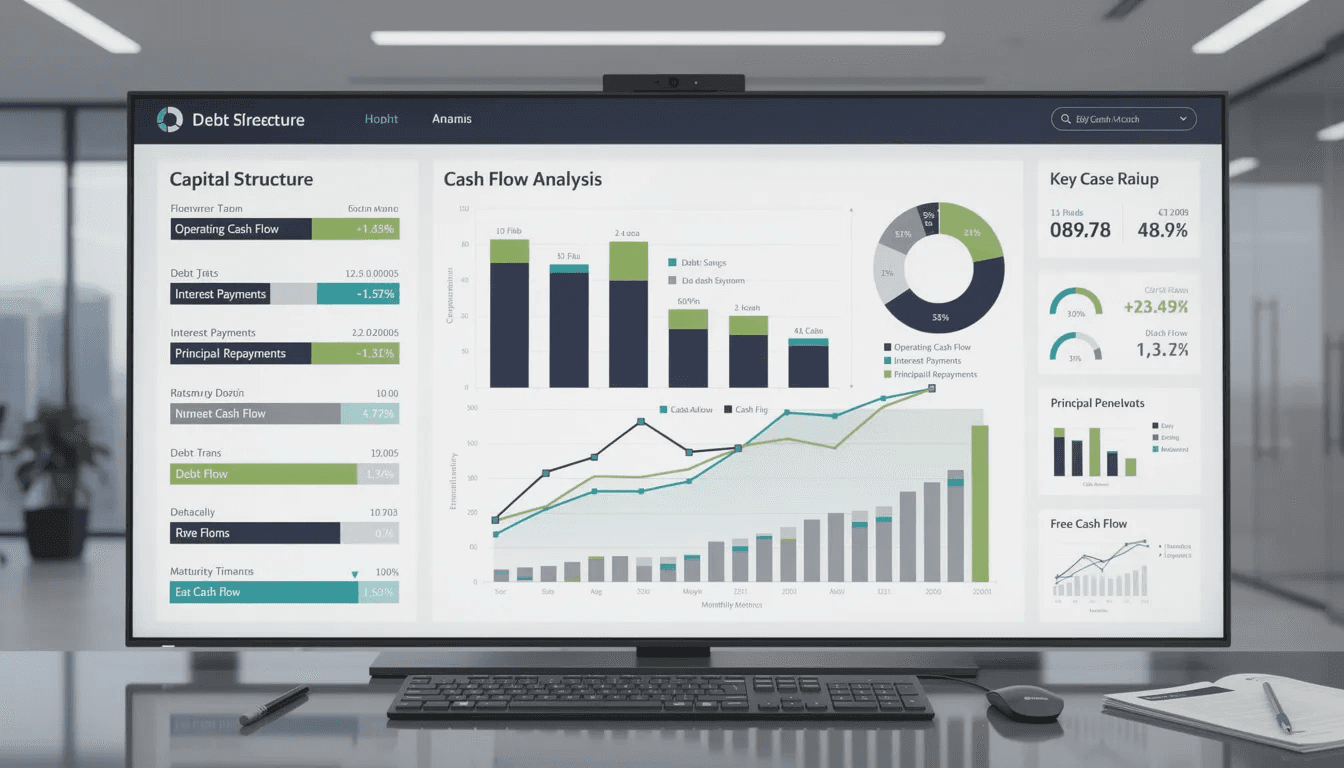
Refinancing and recapitalization opportunities allow sponsors to optimize capital structures when portfolio companies exceed performance expectations and credit markets provide attractive terms. Successful refinancing can enable dividend recapitalizations or debt reduction that accelerates equity returns while maintaining growth investment capacity.
Capital structure alignment with business models ensures that debt amortization schedules, covenant requirements, and cash flow demands match the underlying cash generation characteristics and cyclicality patterns of specific industries and companies.
Value Creation Plan and Exit Strategy
Private equity firms develop detailed value creation roadmaps and exit strategies before transaction closing rather than hoping for opportunistic improvements after acquisition. These comprehensive plans outline specific initiatives, timing expectations, and resource requirements for achieving target returns within projected holding periods.
Growth initiatives combine organic expansion opportunities (geographic market entry, new product development launched over 2-4 year horizons) with inorganic growth through systematic bolt-on acquisition programs in adjacent market niches. Successful execution requires dedicated business development capabilities and integration expertise within portfolio companies.
Margin enhancement strategies target specific operational improvements including procurement savings programs, pricing analytics implementation, facility consolidation initiatives, workflow digitization projects, and selling, general & administrative expense optimization. These improvements typically require 12-24 months for full implementation and benefit realization.
Multiple expansion opportunities focus on improving business scale, governance standards, and strategic positioning to justify higher enterprise value multiples at exit compared to entry valuations. Enhanced reporting systems, professional management depth, and market leadership positions often command premium valuations from strategic buyers.
Typical holding periods range from 3-7 years for most buyout strategies, though some lower middle market deals may extend to 7-10 years when compounding returns justify longer ownership periods. Extended holds require careful consideration of fund life constraints and limited partner liquidity expectations.
Exit route evaluation compares trade sales to strategic acquirers, secondary sales to other private equity firms, sales to larger financial sponsor platforms, and initial public offering opportunities in major exchanges like NYSE or NASDAQ. Market conditions, company scale, and sector dynamics influence optimal exit timing and buyer selection.
Exit readiness preparation emphasizes maintaining clean financial statements, ensuring management team continuity, and documenting key performance indicators and operational systems that maximize valuation during sale processes. Well-prepared companies typically achieve higher multiples and faster transaction execution.
Putting It All Together: Screening and Positioning for PE Investment
Private equity firms employ systematic screening processes that combine financial thresholds, strategic fit assessments, operational capability evaluations, and governance readiness checklists to efficiently filter investment opportunities and allocate due diligence resources to the most promising candidates.
Early-stage screening processes begin with teaser document review and preliminary data analysis covering revenue scale, EBITDA generation, sector classification, geographic location, and current ownership structure. These initial filters help investment teams decide whether to submit non-binding indication of interest letters and proceed to management presentations.
Common red flags that eliminate potential investments include unsustainably high recent growth rates (“hockey stick” revenue projections), unresolved material litigation, excessive customer concentration without contractual protections, lack of audited financial statements for recent periods, or fundamental technology disruption threats to existing business models.
Preparation strategies for business owners include maintaining clean financial statements covering at least three years of performance, developing clear strategic plans with measurable objectives, professionalizing management reporting systems, and documenting key operational processes that support scalability and transferability to new ownership structures.

Expectation alignment requirements ensure that sellers understand typical PE return targets, governance structure changes, board composition modifications, and equity rollover expectations that align management incentives with new ownership objectives throughout projected holding periods.
As private equity investment criteria continue evolving with higher interest rate environments, increased ESG integration requirements, and enhanced data analytics capabilities, the fundamental focus on resilient cash flows, experienced management teams, and systematic value creation approaches remains constant. Understanding these criteria enables both investors and target companies to improve deal success rates and achieve superior outcomes through well-structured partnerships.
Conclusion on Investment Criteria
Private equity investment criteria demand precision—and frankly, I've seen too many firms stumble because they lack disciplined focus on what truly matters. From my perspective, financial performance and growth potential are non-negotiables, but the real differentiators lie in competitive advantage and market positioning that most investors overlook. I prioritize companies with robust management teams because weak leadership is a deal-killer—period. Well-defined business models and scalable growth capacity separate serious opportunities from time-wasters, and I refuse to compromise on these fundamentals. The ability to create additional value through operational improvements, strategic expansion, or management enhancement is where I thrive—it's the essence of what drives successful private equity investments. For companies seeking our capital, understanding and aligning with these investment criteria isn't optional—it's essential for gaining serious consideration from discerning private equity investors like myself. My investment process demands thorough evaluation of business fundamentals, management capabilities, and industry dynamics because anything less than disciplined analysis is simply unacceptable for maximizing returns. Ultimately, private equity firms that truly understand value creation and relentlessly pursue strong returns become the critical driving forces within the global financial ecosystem—and that's exactly the standard I maintain.