Mar 30, 2026
1031 Exchanges: How to Defer Taxes When Selling Investment Real Estate After a Windfall
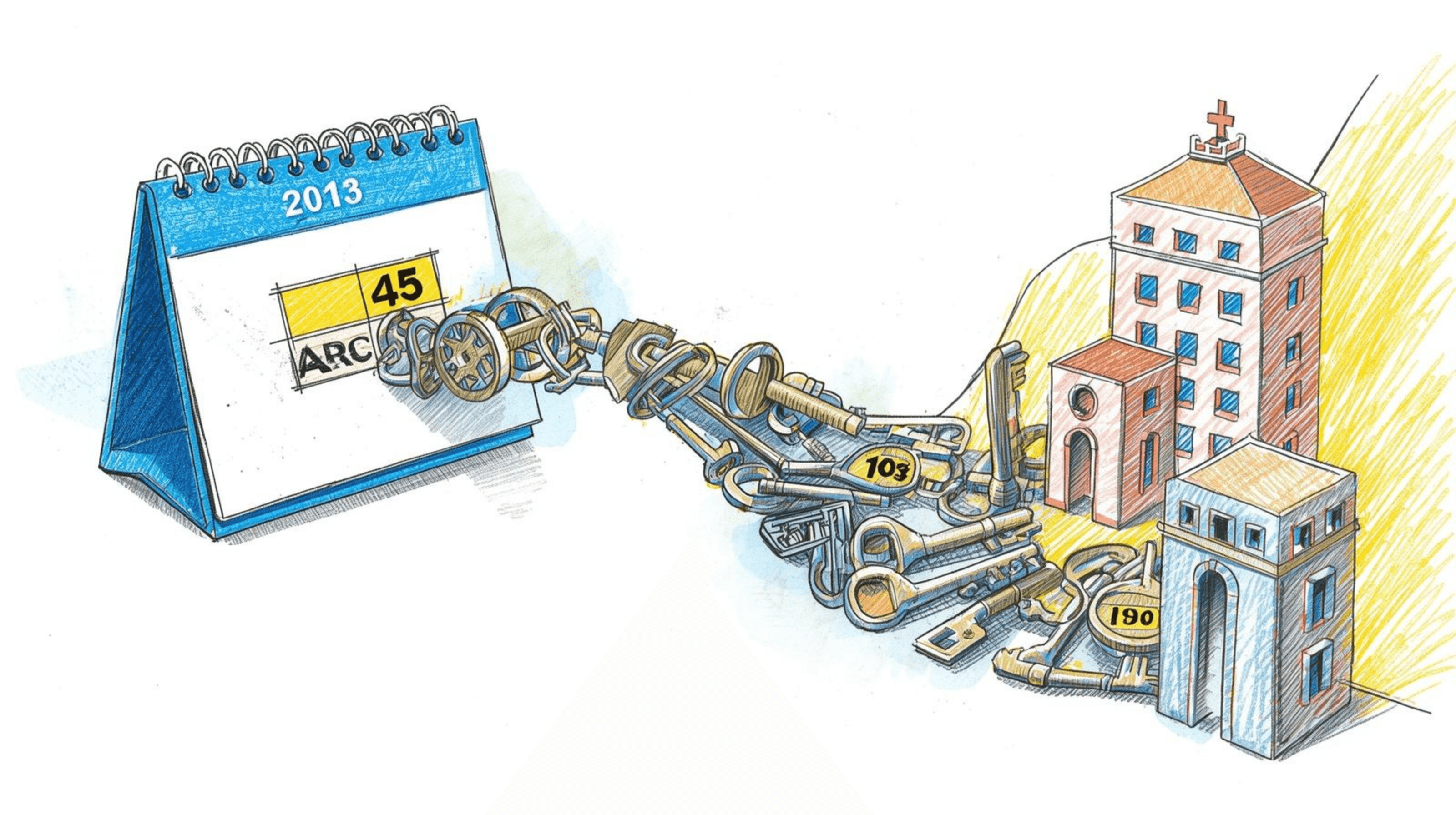
You just sold your business, received a substantial inheritance, or settled a significant legal matter. Now you’re sitting on highly appreciated rental property in Marietta, Georgia, and wondering how to avoid a six-figure tax bill in 2026.
A properly structured 1031 exchange can defer federal and Georgia capital gains taxes, depreciation recapture, and the 3.8% Net Investment Income Tax—preserving more capital to reinvest in your next chapter. Consider this: an investor who bought a Dallas duplex in 2008 for $250,000, depreciated $91,000, and sold in 2024 for $580,000 faced $89,050 in taxes without an exchange. By completing a 1031 into a $650,000 Arizona property, they deferred the entire amount.
This article is written by Third Act Retirement Planning, a fee-only fiduciary firm in Marietta, Georgia serving individuals and families experiencing sudden wealth. You’ll learn what a 1031 is, who it’s for, the critical 45/180-day deadlines, common mistakes, and how it fits into a broader retirement and legacy plan. One important note: 1031 exchanges defer taxes—they don’t erase them—and must be coordinated with overall tax, estate, and charitable planning, especially after a large windfall.
1031 Exchange Basics: How to Defer Capital Gains on Investment Property
This process is also known as a like kind exchange, and it is specifically designed to help you defer the obligation to pay taxes on capital gains when selling investment real estate.
For windfall owners—whether from a 2026 inheritance of a rental portfolio, sale of a closely held business that owned real estate, or NIL earnings invested in property—1031 exchanges prevent layering new capital gains on top of already high-income years. By utilizing a like kind exchange, you can defer paying taxes that would otherwise be due upon the sale, which is especially valuable when your ordinary income pushes you into the top federal bracket, adding real estate sales can result in effective tax rates exceeding 37% federal plus Georgia’s 5.75%.
The basic mechanics work like this: sell the old (relinquished) property, have a qualified intermediary hold the sale proceeds, identify potential replacement properties within 45 days, and close within 180 days while meeting like-kind and reinvestment rules.
For full tax deferral, you must:
Buy property of equal or greater value
Reinvest all net equity
Replace equal or greater debt (or add cash to offset any reduction)
One powerful legacy benefit: heirs may receive a step-up in basis at death, potentially eliminating decades of deferred gains—making 1031s a strategic estate planning tool.
What Properties Qualify for a 1031 Exchange?
Both the property you sell and the property you buy must be held for investment or business purposes, as defined by the IRS. Your primary residence or any property held as a personal residence doesn’t qualify. Neither does a vacation home used primarily for personal enjoyment.
Concrete 2026 examples that work:
Exchanging a rented duplex in Cobb County, GA for a small office building in Alpharetta
Selling raw land in Florida held for investment purposes and buying a self-storage facility in Tennessee
Trading a single-family rental property for an interest in Delaware statutory trusts
Exchanging a commercial property such as a retail center for another investment property
What doesn’t work: fix-and-flip properties held primarily for resale typically fail to qualify. The IRS scrutinizes holding periods under two years, presuming dealer status and potentially recharacterizing gains as ordinary income at up to 37%.
Mixed-use properties (ground-floor retail with apartments above) may qualify proportionally based on allocated values supported by appraisals. Personal property like lake houses can become candidates only after genuine, documented conversion to rental use—typically via lease agreements and consistent renting for 12-24 months.
Understanding “Like-Kind” Property in Real Life
“Like-kind” for 1031 purposes is broader than most real estate investors expect. It refers to the nature or character of real property held for investment or business, not its grade or quality. Properties must be of the same nature or character—meaning they are considered of the same nature—even if they differ in quality or use, to qualify for a like-kind exchange.
This means you can exchange:
An apartment building for a medical office (these are considered similar property under IRS rules)
Vacant land for an industrial warehouse (also similar property)
A single-family rental for DST interests (similar property)
Farmland for a commercial building (similar property)
The IRS defines like-kind broadly as any U.S. real property for investment or business use exchanged for another. Foreign property swaps don’t qualify for U.S. properties.
What works vs. what doesn’t:
Rental home to farmland → Works (both investment realty)
Primary residence to rental condo → Doesn’t work as-is (relinquished not investment-held)
Rental property to REIT shares → Doesn’t qualify (securities, not direct real property)
Rental to DST interest → Works (IRS Revenue Ruling 2004-86 treats DSTs as real estate ownership)

Types of 1031 Exchanges & Critical IRS Timelines
Several exchange structures exist—simultaneous, delayed, reverse, and improvement (build-to-suit) exchanges—but most individual investors after a windfall use a deferred exchange (also called a delayed exchange), which is the most common type of 1031 exchange. In a deferred exchange, the sale of the relinquished property and the purchase of the replacement property are separated in time, following strict IRS rules and timelines.
The delayed (deferred) exchange process:
Sell the relinquished property with a QI in the middle holding proceeds
Provide written identification of replacement properties within 45 days
Complete the property sale of the new property within 180 days (or tax return due date, if earlier)
Other structures briefly defined:
Simultaneous exchange: Both properties close the same day (rare, requires precise coordination)
Reverse exchange: Buy the replacement property first via an Exchange Accommodation Titleholder, then sell the relinquished property within 180 days
Build-to-suit exchange: Use exchange funds to improve the replacement before day 180
The two hard deadlines you cannot miss:
45 days from closing to identify replacement properties in writing to your QI
180 days from closing (or tax filing date including extensions) to close on the replacement
Missing either deadline—even by one day—destroys the entire exchange and triggers full capital gains and depreciation recapture for that tax year. These deadlines are not extendable under any circumstances.
Property Identification Rules & The “Boot” Trap
The IRS allows different identification methods. The most common for individual investors are the 3-Property Rule and 200% Rule.
Close on one, two, or all three within the 180-day window.
200% Rule: Identify more than three properties only if the total market value of all identified properties doesn’t exceed 200% of the sold property’s value.
When identifying potential replacement properties, it’s crucial to do so within the IRS’s 45-day deadline to ensure compliance with tax regulations and to keep your 1031 exchange valid.
Understanding “boot”: Any cash or non-like-kind property received creates a taxable transaction. This includes:
Leftover cash not reinvested
Mortgage relief not offset by new debt or added equity
2026 numeric example: You sell a $2,000,000 rental property with an $800,000 mortgage and exchange into a $1,800,000 DST interest with a $600,000 debt share.
Element | Amount |
|---|---|
Value shortfall | $200,000 |
Debt reduction | $200,000 |
Total taxable boot | $400,000 |
At a 25% effective rate, that’s $100,000+ in taxes—still better than full recognition, but not full deferral.
Delaware Statutory Trusts (DSTs): A Passive Option for Retiring Landlords
A Delaware Statutory Trust is a legal structure under Delaware law that owns institutional-quality real estate—think Class A multifamily, medical office portfolios, or distribution centers—and allows multiple properties involved to be owned through fractional beneficial interests.
Under IRS Revenue Ruling 2004-86, DST interests qualify as like-kind property for 1031 exchange purposes.
Why DSTs appeal after a windfall:
Fully passive ownership with no landlord responsibilities
Professional asset management
Geographic and sector diversification
Predictable cash flow from triple-net leases
Example: A 63-year-old Georgia couple sells three single-family rentals totaling $1.5M and exchanges into a diversified DST portfolio: 40% multifamily, 30% net-lease retail, 30% logistics. They receive 5-7% annual distributions without managing tenants, toilets, or trash.
DSTs carry unique risks—illiquidity (3-10 year holds), sponsor risk, and fee structures. Third Act Retirement Planning evaluates DST solutions within a broader retirement, income, and legacy plan rather than as standalone products.

Investment Property and Portfolio Diversification with 1031 Exchanges
For real estate investors, diversification is a cornerstone of a resilient investment strategy. A 1031 exchange offers a unique opportunity not only to defer capital gains taxes, but also to strategically reshape your real estate portfolio for greater stability and growth. By exchanging one investment property for another, you can move into higher value properties, shift between asset classes, or expand into new geographic markets—all while deferring capital gains and maximizing tax deferral benefits.
For example, an investor might exchange an apartment building for an office building, or swap a single rental property for multiple smaller properties or even vacant land. This flexibility allows you to balance your portfolio across different types of real estate, reducing exposure to market fluctuations in any one sector. Diversification can also enhance cash flow, as you transition from properties with unpredictable rental income to those with more stable, long-term leases.
The Internal Revenue Code’s 1031 exchange provisions make it possible to defer capital gains taxes as you reinvest sale proceeds into new investment property. This means more capital stays working for you, compounding returns and supporting your long-term investment goals. However, to fully realize these tax deferral benefits, it’s essential to carefully consider the tax implications of each transaction and work with experienced professionals who understand the nuances of the exchange process.
Whether you’re looking to upgrade to higher value properties, diversify into commercial real estate, or simply rebalance your holdings, a well-executed 1031 exchange can be a powerful tool for building a more robust real estate portfolio while deferring capital gains.
How to Execute a 1031 Exchange After a Windfall (Step-by-Step)
For someone who received a windfall and plans to sell investment property in 2026, here’s the chronological exchange process:
Before listing the property:
Engage your advisory team: fee-only fiduciary planner, CPA, real estate attorney
Confirm the sold property qualifies for investment or business purposes
Clarify long-term goals: passive income needs, retirement timeline, charitable intentions
Before closing:
Hire a qualified intermediary before signing the sale contract
Include exchange language in purchase and sale agreements
Coordinate timing—avoid year-end closings without filing extensions to preserve full 180 days
After closing the relinquished property:
Begin identifying candidate replacement properties or DSTs immediately
Stress-test income projections and evaluate higher value properties against your goals
Submit written identification to the QI well before day 45
Have backup properties identified in case of failed inspections
Final steps:
Close on the new property within 180 days
Ensure title matches the entity that sold the original property
Critical pitfalls to avoid:
Accepting earnest money directly (triggers constructive receipt)
Taking any sale proceeds into your personal accounts
Missing state-level requirements
Attempting DIY documentation without professionals
Overlooking IRS rules for related parties: Exchanges involving related parties (such as family members or affiliated individuals) are subject to additional IRS scrutiny and specific holding period requirements. Failing to comply can jeopardize your tax deferral, so understand these rules before proceeding.
Integrate this decision with other windfall strategies: donor-advised funds, Roth conversions, and estate structuring for heirs.
Reporting Requirements and Compliance: Staying on the IRS’s Good Side
Successfully completing a 1031 exchange isn’t just about finding the right replacement property—it’s also about staying compliant with IRS rules to ensure you actually defer capital gains taxes. Real estate investors must report their 1031 exchange on IRS Form 8824, filed with their tax return for the year the exchange occurs. This form requires detailed information about both the relinquished and replacement properties, including transaction dates, fair market values, and any cash or non-like-kind property received.
Accurate record-keeping is essential. Investors should retain all contracts, closing statements, and documentation from their qualified intermediary to support the information reported on Form 8824. Additionally, strict adherence to the 45-day identification period for potential replacement properties and the 180-day exchange period is critical—missing these deadlines can jeopardize the entire tax deferral.
Working with a knowledgeable tax professional can help ensure you meet all reporting requirements and avoid costly mistakes. Staying informed about IRS guidelines and maintaining thorough documentation not only protects your investment strategy, but also preserves the tax deferral benefits that make a 1031 exchange so valuable. By prioritizing compliance, real estate investors can confidently defer capital gains and keep their investment property working toward long-term financial goals.
Integrating 1031 Exchanges with Retirement, Legacy & Biblical Stewardship
At Third Act Retirement Planning, we believe wealth—including your real estate portfolio—should be stewarded wisely and purposefully, not simply maximized for its own sake.
A 1031 exchange can align with:
Retirement income planning: Shifting from volatile rental income to predictable DST distributions or triple-net leases
Estate and legacy planning: Structuring ownership to optimize step-up in basis and simplify inheritance for heirs
Charitable giving: Pairing exchanges with charitable remainder trusts or donor-advised funds funded from other assets
Biblical stewardship principles apply:
Proverbs 21:20 reminds us that wise provision builds wealth purposefully
Matthew 25:14-30 calls us to faithful multiplication of what we’ve been given
We encourage clients to think beyond tax savings: How much is enough? What impact do you want this property—and the income from it—to have on your family and the Kingdom?
As a fee-only firm and Qualified Kingdom Advisor, Third Act helps clients integrate 1031 exchange decisions into a full financial plan rooted in conviction and clarity.
When a 1031 Exchange Might Not Be the Best Move
Sometimes paying the tax bill now—or using different tax strategies—makes more sense than forcing an exchange.
Consider alternatives when:
Your current and projected taxable income brackets suggest recognizing gains in 2026 at known rates beats future uncertainty
You need liquidity for debt payoff, medical expenses, or immediate charitable goals
The property has modest appreciation and limited depreciation recapture, making the tax burden relatively small
You want to exit real estate entirely and diversify into stocks and bonds
The rushed exchange trap: Forcing a 1031 into poor-quality or mismatched property can damage long-term wealth more than simply paying tax. Industry data shows overleveraged DST sponsors lost 20% in 2023 market downturns—sometimes worse than paying 30% tax and investing liquidly.
Third Act’s role is to weigh options objectively. We don’t push 1031s in every case—only when they genuinely serve your retirement and legacy goals.
Working with Professionals: How Third Act Retirement Planning Helps
A successful 1031 requires the right team:
Fee-only financial planner
CPA for tax modeling
Estate attorney
Real estate agent or attorney
Qualified intermediary
What the QI does: Holds proceeds, prepares exchange documents, executes instructions per Treasury regulations.
What the QI doesn’t do: Provide holistic tax planning, investment advice, or retirement guidance.
Third Act Retirement Planning’s process:
Discovery call focused on your windfall, existing real estate holdings, and life purpose
Detailed analysis of tax exposure if you sell in 2026 with and without a 1031 exchange
Scenario modeling for different replacement options: direct properties, DSTs, or selling and diversifying
Ongoing guidance as tax laws, market conditions, and family circumstances evolve

If you’ve sold—or are preparing to sell—investment property after a windfall, we’d welcome a conversation to explore whether a 1031 exchange fits your “third act” story.
As a fee-only, fiduciary firm, we don’t earn commissions on products. Our guidance is built around your goals, not transaction revenue. Schedule a discovery call to see how thoughtful tax deferral strategies can serve your retirement, your family, and your legacy.